
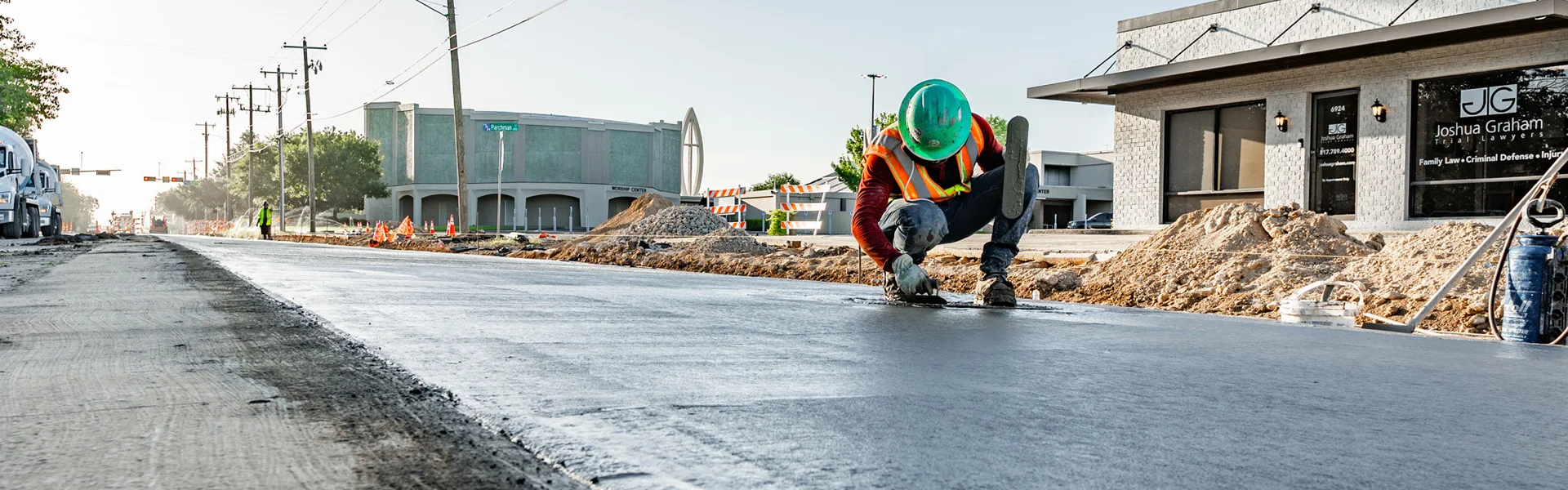
A parking lot rarely fails all at once. It starts with a few cracks, then some fading striping, then a pothole that keeps coming back no matter how many times it’s patched, and at some point every property owner ends up asking the same question: is this a parking lot resurfacing job, or does the whole thing need to come out and get replaced? Getting that call wrong in either direction is expensive, either paying for a full replacement a lot didn’t need yet, or resurfacing over a problem that was never going to be fixed by a new top layer. Here’s how to actually tell the difference.
What Resurfacing Actually Fixes
Resurfacing (also called an overlay) adds a new layer of asphalt on top of an existing lot that still has a sound base underneath. It’s the right call when the damage is mostly at the surface: fading, minor to moderate cracking, some rutting in high-traffic lanes, but no widespread structural failure underneath. This is the same logic behind the Federal Highway Administration’s pavement preservation philosophy of “keeping good roads good,” applying the right treatment while a pavement is still in a repairable state, rather than waiting until it fails outright. A resurfaced lot with a solid base can look and perform like new for a fraction of a full replacement’s cost and timeline.
What Actually Signals You Need a Full Replacement
Some damage is a surface problem, and some damage means the base itself has failed. Watch for these signs that the problem lives underneath the surface, not on it:
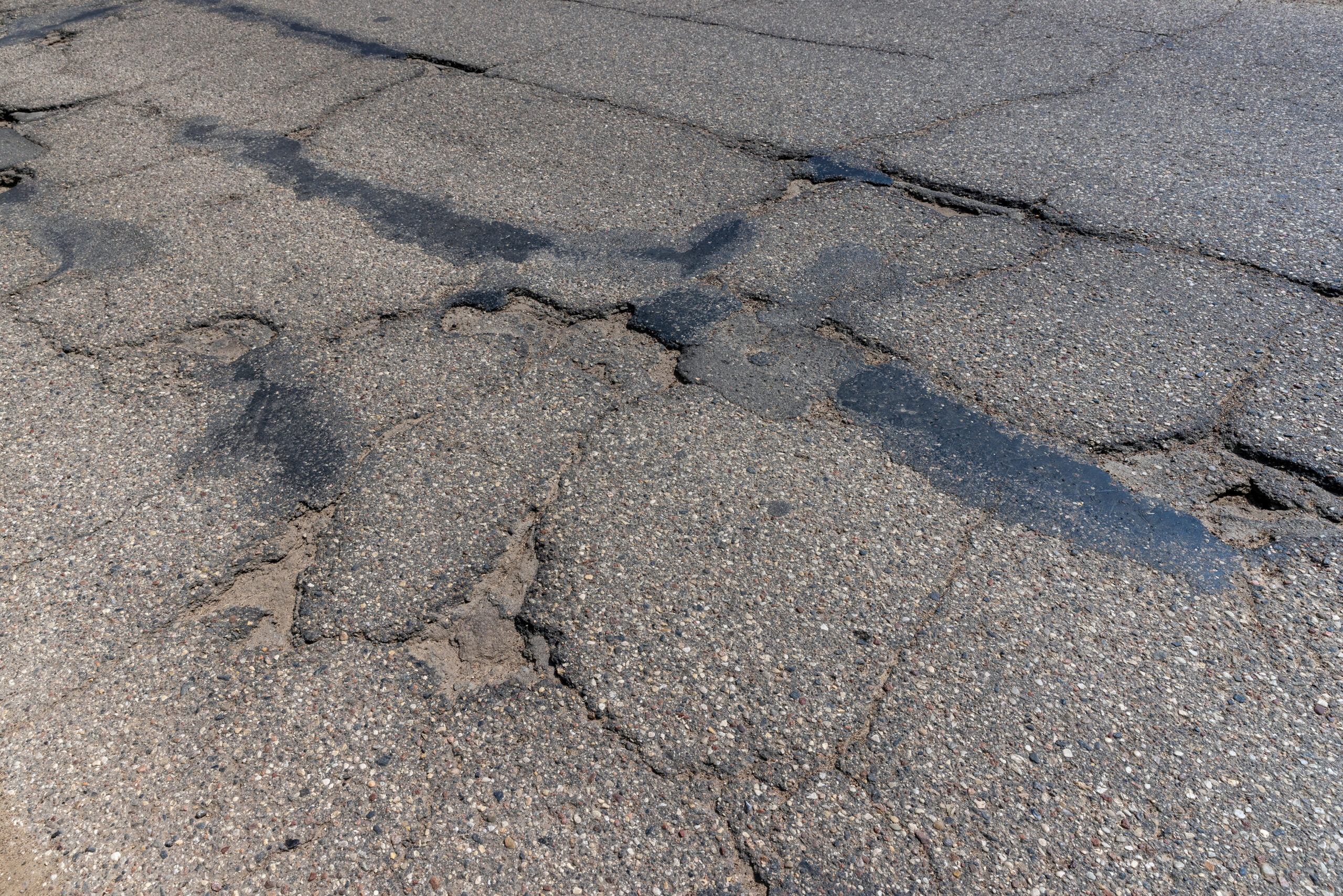
- Alligator cracking: a web of interconnected cracks that looks like reptile skin, one of the clearest signs the base has broken down, since it means the pavement is flexing under load rather than resting on solid support.
- Potholes that keep coming back in the same spot after being patched.
- Large sections of standing water that don’t drain.
- Visible heaving or sinking in the pavement.
In those cases, an overlay just traps the same failure under a new layer and it reappears within a season or two. At that point, full-depth removal and replacement, sometimes down to the base, is the only fix that actually holds.
Why the Ground Underneath Your Lot Matters
Texas makes this decision harder than it needs to be in a lot of ways, because so much of North Central Texas sits on expansive clay soil that swells and shrinks with moisture. A lot built on that kind of soil without the right base preparation is more likely to develop the deeper, structural cracking that points toward replacement rather than resurfacing, even if the lot isn’t especially old. It’s part of why the same lot age can mean very different things on two different properties, and why a visual inspection alone (rather than a proper evaluation of the base) can lead an owner to the wrong conclusion.
Asphalt or Concrete Changes the Math
Which material you’re working with also shapes this decision. As we covered in our asphalt vs. concrete breakdown, asphalt typically runs 15 to 20 years before it needs major work, while concrete can hold up 25 to 30-plus years, but asphalt is also the material that’s realistically resurfaceable, since a new asphalt layer bonds well to an existing asphalt base. Concrete, once it’s cracked or settled, is far more often a replace-in-kind situation rather than a resurfacing candidate. Knowing which material you’re starting with narrows down which of the two paths is even on the table before an inspection happens.
Cost and Timeline: What the Difference Actually Looks Like
Resurfacing is faster and cheaper almost across the board, often a matter of days rather than weeks, since the crew isn’t demolishing and hauling out the old material or rebuilding the base underneath. Replacement takes longer and costs more, but it resets the clock completely and it’s the only option once the base has failed, since no amount of surface work fixes a structural problem. Owners planning a budget for either option are usually better served getting a real inspection first rather than assuming a lot’s age alone tells the whole story. TxDOT’s own pavement manual frames the same choice for state roadways, weighing an overlay against full reconstruction based on the condition of the base rather than a fixed schedule.
How We Make This Call
When our crews evaluate a lot, we’re not just looking at what’s visible from a walk-through. We’re checking for the depth and pattern of cracking, testing for soft spots that signal base failure, and factoring in the property’s drainage and traffic load, since a lot that handles delivery trucks all day wears differently than one that mostly sees passenger cars. That combination is what actually determines whether resurfacing will hold up or whether it’s a short-term fix on a problem that needs to be solved at the base.
A Quick Way to Sanity-Check Your Own Lot
Before you even call anyone, a short walk across your own lot can tell you a lot:
- Cracking pattern: a few straight or spider-web cracks scattered across the surface usually point toward resurfacing, while a dense, connected web of cracking (the alligator pattern mentioned above) points toward something deeper.
- Drainage: check after the next rain. Water that sheets off within a few minutes is a good sign, while water that pools and sits for hours in the same low spots usually means the base has settled and shifted, which resurfacing won’t correct.
- Patch history: a patch that’s cracked around its own edges within a year is a strong signal that the surrounding pavement is still moving, which is a base problem, not a surface one.
None of this replaces an actual inspection, but it’s usually enough to know whether you’re calling about a routine resurfacing job or bracing for a bigger conversation.
Get a Straight Answer on Your Lot
If your parking lot is somewhere between “needs a little work” and “might need to be torn out,” the fastest way to know for sure is a real inspection rather than a guess. Reliable Paving has been doing exactly this kind of assessment across North Central Texas since 1982, and our team can walk your lot, check what’s actually happening underneath it, and give you a straight answer on resurfacing versus replacement. Reach out through our contact page or call (817) 467-0779 to get a quote started, or see the full range of what we handle on our services page.